Every organisation has a strategy.
Growth targets.
A three-year plan.
A vision for the future.
A roadmap designed to move the business forward.
Yet despite the amount of time and effort invested in strategic planning, many organisations struggle to achieve the outcomes they expect.
The strategy looks sound.
The objectives are clear.
The resources are available.
So what goes wrong?
More often than not, the problem isn't the strategy.
It's the alignment behind it.
Because no matter how good a strategy looks on paper, it will only succeed if leaders think, communicate, and act in ways that bring it to life.
A Strategy Doesn't Execute Itself
One of the biggest misconceptions in business is that a well-written strategy creates organisational change.
It doesn't.
Strategies don't transform organisations.
People do.
Every strategy depends on thousands of everyday decisions made by leaders and teams.
How priorities are communicated.
How decisions are made.
How behaviours are rewarded.
How people respond when challenges arise.
If those actions aren't aligned, even the strongest strategy can lose momentum.
Execution is never just about planning.
It's about leadership.
Alignment Is More Than Agreement
Many leadership teams believe they're aligned because everyone agreed in the boardroom.
But agreement isn't the same as alignment.
True leadership alignment exists when leaders consistently:
communicate the same priorities
reinforce the same behaviours
make decisions that support the strategy
create clarity across teams
Employees don't judge strategy by what's written in a document.
They judge it by what leaders consistently do.
When leadership behaviours contradict strategic priorities, confusion quickly follows.
Communication Turns Strategy Into Action
A strategy only becomes meaningful when people understand what it means for them.
This is where many organisations struggle.
Senior leaders often spend months refining strategic plans.
But far less time helping teams understand:
Why the strategy matters.
What success looks like.
How priorities have changed.
What decisions should now be made differently.
Without clear communication, people naturally fall back on familiar habits.
That is why communication isn't separate from strategy.
It is strategy.
Behaviour Is the Real Measure of Alignment
Many organisations launch new strategies with presentations, workshops, and announcements.
Then they wonder why nothing changes.
The answer is simple.
People don't change because a strategy has been announced.
They change when leaders consistently model the behaviours the strategy requires.
Culture isn't created by PowerPoint slides.
It's created by everyday behaviour.
If leaders continue making the same decisions, rewarding the same behaviours, and measuring the same outcomes, employees receive a clear message:
Nothing has really changed.
Why Sydney Organisations Are Investing in Leadership Alignment
Across Sydney, organisations are navigating rapid technological change, evolving customer expectations, and increasing economic uncertainty.
These challenges require more than a clear strategy.
They require leaders who are aligned around shared priorities.
Many Sydney organisations are investing in leadership keynote speakers and executive development programs that strengthen communication, decision-making, and organisational alignment before major transformation projects begin.
The goal isn't simply to create a better strategy.
It's to improve the leadership behaviours that determine whether the strategy succeeds.
Melbourne Executive Teams Are Focusing on Better Conversations
Many Melbourne organisations are recognising that execution improves when leadership conversations improve.
Alignment isn't achieved through one annual planning session.
It is reinforced every day through conversations.
The questions leaders ask.
The feedback they provide.
The behaviours they recognise.
The priorities they reinforce.
Small conversations create significant cultural momentum over time.
Gold Coast Organisations Are Prioritising Execution Over Intention
Leadership conferences across the Gold Coast are increasingly focused on execution rather than inspiration alone.
Executives want practical insights that help leaders:
communicate more effectively
improve decision-making
influence behaviour
build accountability
lead through uncertainty
The strongest keynote presentations don't simply inspire people.
They help leaders think differently about how strategy becomes action.
Adelaide Leaders Are Building Alignment Before Change
Across Adelaide, organisations are investing more heavily in leadership capability before major change initiatives begin.
Experience has shown that change rarely fails because of the strategy itself.
It fails because people interpret, communicate, and implement the strategy differently.
Leadership alignment reduces that gap.
It creates consistency.
It builds trust.
And it gives people confidence in the direction the organisation is heading.
Great Leadership Creates Clarity
One of the most valuable roles of any leader is creating clarity.
Clarity around priorities.
Clarity around expectations.
Clarity around decisions.
When leaders create clarity, people move with greater confidence.
When leaders create confusion, even the best strategy begins to lose momentum.
This is why alignment isn't a one-off event.
It's an ongoing leadership practice.
Leadership Alignment Begins With Better Thinking
Alignment isn't about everyone thinking the same way.
It's about ensuring leaders are working towards the same outcome while understanding how their behaviour influences others.
That requires:
curiosity
communication
self-awareness
consistency
trust
These ideas connect closely with Why the Best Leaders Ask Better Questions, where better conversations create better decisions.
They also reinforce the importance of Why Perception Matters More Than Reality in Leadership, because people respond to what they experience from leaders—not simply what leaders intend.
Final Thought
A strategy can inspire confidence.
But leadership determines whether that confidence becomes action.
The organisations that consistently execute well aren't necessarily the ones with the smartest strategies.
They're the ones whose leaders are aligned in how they communicate, make decisions, and model the behaviours they expect from others.
When leadership is aligned, strategy becomes more than a document.
It becomes part of the way people think, work, and lead.
That's when meaningful organisational change begins.
About Andy Nunn
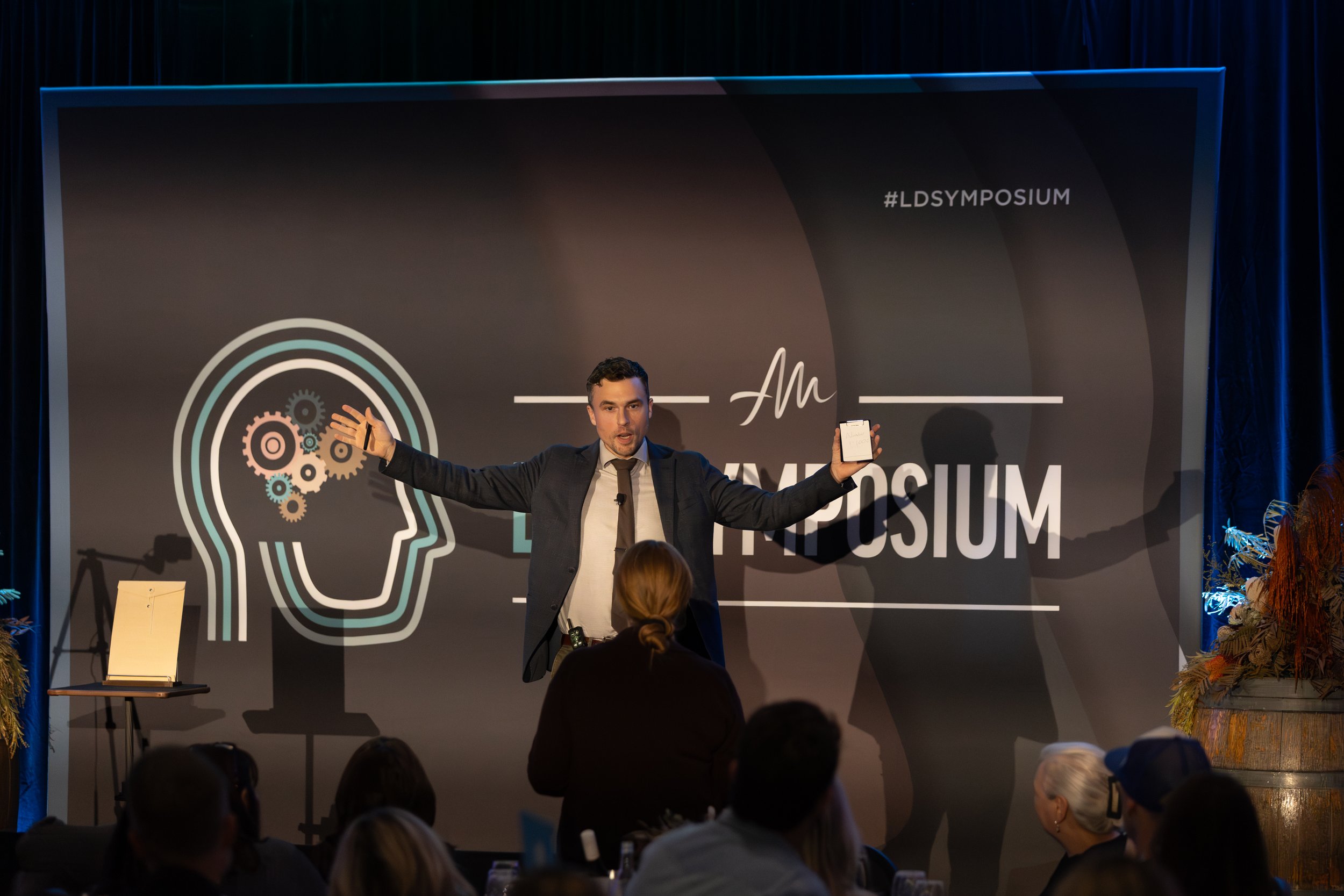
Andy Nunn is an Australian leadership keynote speaker who works with senior leaders, executive teams, and organisations to improve decision-making, communication, leadership alignment, and performance under pressure.
His keynote Mind the Gap explores how perception, behaviour, and human psychology influence leadership effectiveness, helping organisations close the gap between strategy, communication, and execution.
Andy regularly delivers keynote presentations for conferences, executive teams, and leadership events across Sydney, Melbourne, Adelaide, the Gold Coast, and throughout Australia.
Learn more about Mind the Gap, explore Andy's keynote speaking programs, or enquire about an upcoming event at www.andrewnunn.com
Related insights
You may also want to explore:
Home – www.andrewnunn.com
Mind the Gap keynote – Andy Nunn keynote speaking
Wonderfully Uncomfortable Keynote - Andy Nunn keynote speaking
Speaking and contact enquiries – contact Andy about your event
LinkedIn – Link
Social and Podcast links
Instagram: andythementalist
Tiny Shifts Podcast: Wonderfully Uncomfortable (4 of 4): The Long Game