
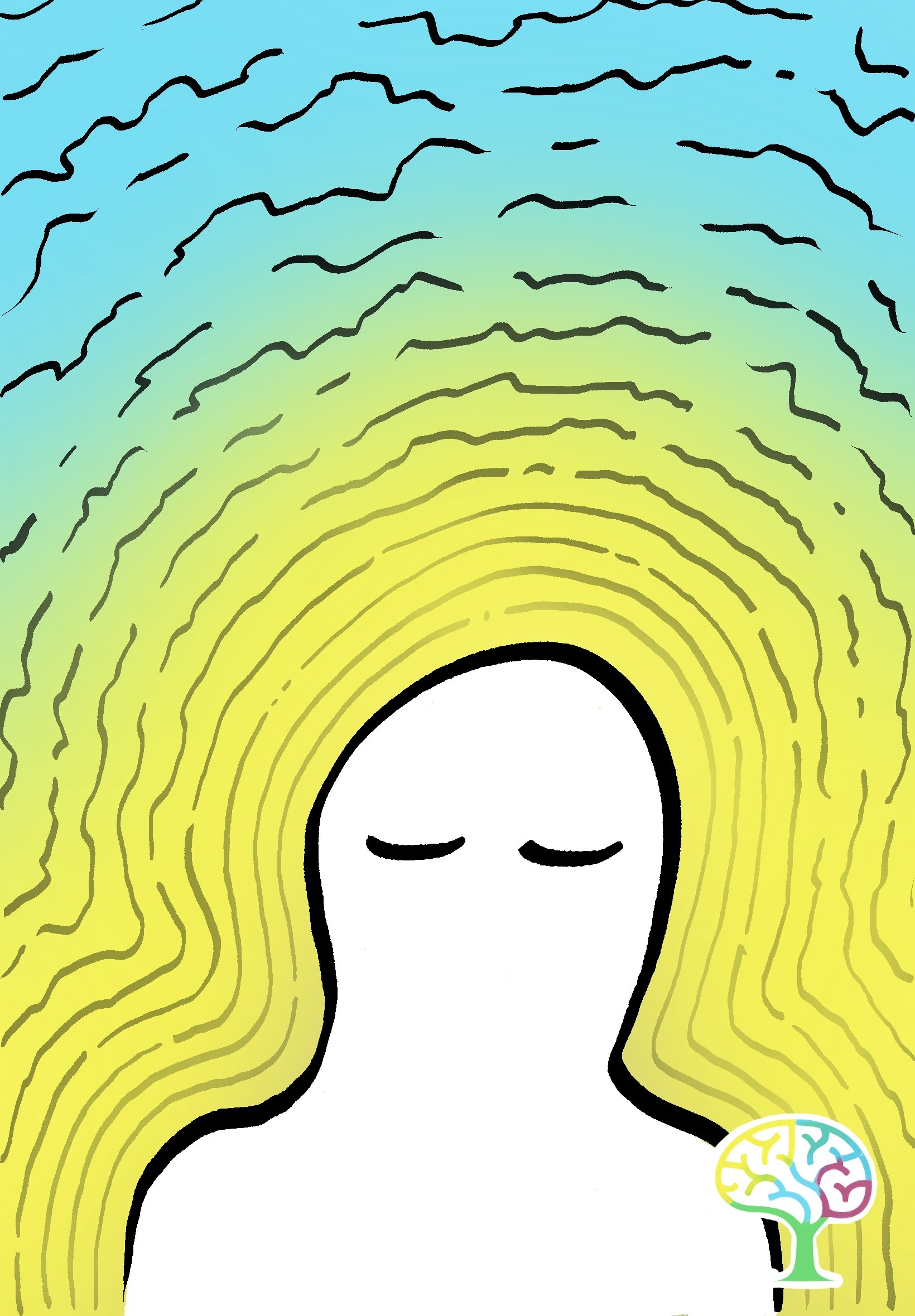
In this episode of the Tiny Shifts Podcast, Andy Nunn explores what procrastination really is and why we struggle to do the things we know we should be doing.
Procrastination is often misunderstood as laziness or poor time management. But in reality, it is driven by emotion. It is a response to discomfort, fear and uncertainty.
This episode breaks down the psychology behind procrastination and introduces a simple framework to help you take action even when it feels difficult.
WHAT PROCRASTINATION REALLY IS
Procrastination is the act of delaying or avoiding a task despite knowing it has negative consequences.
It is not laziness.
In many cases, people who procrastinate are highly capable and productive. They often replace the task with something else that feels easier or more rewarding in the moment.
The real issue is not time management.
It is emotional regulation.
WHY WE PROCRASTINATE
When you face a task, your brain reacts emotionally before it reacts logically.
You may feel:
Stress
Fear of failure
Pressure to perform
Uncertainty about the outcome
These feelings create discomfort.
Your brain then looks for a way to relieve that discomfort as quickly as possible.
This is where procrastination begins.
THE HABIT LOOP
Procrastination follows a predictable pattern:
A task appears (the cue)
You feel discomfort (the craving)
You avoid the task (the response)
You feel relief (the reward)
Over time, this becomes a habit.
You train your brain to associate avoiding the task with feeling better.
WHY PRODUCTIVITY ADVICE FAILS
Most advice focuses on systems, schedules and discipline.
While these can help, they miss the deeper issue.
Procrastination is not just about organisation.
It is about how you respond to discomfort.
Without addressing the emotional side, no system will fully solve the problem.
THE IMPACT ON YOUR IDENTITY
When procrastination becomes a pattern, it starts to affect how you see yourself.
You may begin to believe:
You are not disciplined
You are not capable
You cannot follow through
This lowers your confidence and creates a cycle that is hard to break.
THE GO METHOD
To break this cycle, this episode introduces a simple framework called the GO Method.
It focuses on what happens in the moment when resistance appears.
G – Ground Yourself
When you feel resistance, pause.
Instead of reacting automatically, acknowledge what you are feeling.
Say to yourself:
I feel fear
I feel resistance
This helps create distance between you and the emotion.
O – One Small Step
After grounding yourself, take one small action.
Not the whole task. Just the smallest possible step.
Open the document
Write one sentence
Work for one minute
The goal is to build the habit of starting.
WHY THIS WORKS
You cannot eliminate fear or discomfort.
But you can change how you respond to it.
By taking action despite the feeling, you:
Break the avoidance habit
Build confidence
Create momentum
Over time, this becomes your new pattern.
WHAT YOU’LL LEARN IN THIS EPISODE
Why procrastination is driven by emotion, not laziness
How habits form around avoidance
Why traditional productivity advice often fails
The role of identity and self-belief
A practical method to take action when it feels difficult
KEY TOPICS COVERED
Procrastination psychology
Behaviour and habits
Emotional regulation
Mindset and identity
Decision-making under pressure
WHY THIS MATTERS
Procrastination is not just about getting things done.
It affects your confidence, your progress and how you see yourself.
When you learn to act despite discomfort, you begin to take control again.
TIMESTAMPS
00:00 – Introduction to procrastination
02:00 – What procrastination really is
05:00 – Why it is not laziness
08:00 – Emotional regulation and avoidance
12:00 – The habit loop explained
16:00 – Why productivity systems fail
20:00 – Identity and self-efficacy
25:00 – Introduction to the GO Method
30:00 – Grounding yourself
35:00 – Taking one small step
40:00 – Final reflections and key takeaway
Related insights
You may also want to explore:
Home – www.andrewnunn.com
Mind the Gap keynote – Andy Nunn keynote speaking
Speaking and contact enquiries – contact Andy about your event
LinkedIn – Link
Episode Workbook - Link
Social and Podcast links
Instagram: andythementalist
Tiny Shifts Podcast: Atomic Habits Fails Where It Matters Most


